By Emily Morse 3-Minute Read

Perimenopause can change a lot about your sex life—and not always in ways you expect. Maybe the desire comes and goes. Maybe you still want sex, but your body takes just longer to get the memo. Or maybe you’re still attracted to your partner and simply…never think about it anymore.
So what’s actually happening here?
We asked Emily Morse, Doctor of Human Sexuality, author of Smart Sex, and host of the Sex With Emily podcast, to break down what can happen to a libido during perimenopause—and what you can do when desire, arousal, sensation, or comfort start feeling weird, off, or different.
1. Can libido fluctuate during perimenopause—high one month, nonexistent the next? If so, what’s going on?
Absolutely. I hear some version of this all the time: “Last month I wanted sex all the time, and this month I could take it or leave it. What happened?” Welcome to perimenopause.
Your hormones are fluctuating—sometimes dramatically—and those shifts can affect desire, mood, sleep, energy, and how your body responds to touch. So libido can fluctuate, too. I think the most important thing is not to panic and decide, “Well, I guess this part of my life is over.” It’s not. Your body is changing, and this is an opportunity to get curious about what it needs now.
2. When someone in peri tells you, “My sex drive disappeared,” are there other perimenopause symptoms she should also consider?
Whenever a woman tells me, “My libido is gone,” I start asking questions. How are you sleeping? How stressed are you? Is sex uncomfortable? How’s your energy? What medications are you taking? And—this is a big one—how are things with your partner?
Because libido doesn’t live in a little box labeled SEX. If you’re exhausted, stressed, experiencing vaginal dryness, irritated with your partner, or carrying around three years of unresolved resentment, of course desire might be harder to access. Hormones absolutely matter, but they’re one part of the picture. Your libido can actually be a really useful messenger telling you to look at what else is happening in your life.
“Your libido can actually be a really useful messenger telling you to look at what else is happening in your life.”
3. We’ve heard women say the attraction to their partner is still there, but the urge to have sex isn’t. What’s potentially happening?
I love this question because women will tell me, “I’m still attracted to my partner. I love them. I just never think about sex anymore.” And then they assume something must be wrong.
Not necessarily. For many women, especially in midlife, desire becomes more responsive. Meaning you might not be walking around thinking about sex and then suddenly pouncing on your partner. Desire may arrive after connection starts—a great conversation, flirting, kissing, touching, feeling relaxed and present.
Sometimes we’re waiting for desire to magically appear before we do anything. Try flipping the script: “I’m not craving sex right now, but am I open to connection, touch, and seeing where it goes?”
4. Is there a way to tell the difference between low desire and having a harder time becoming physically aroused?
Yes—and I wish more women knew there was a difference. Desire is essentially, “Do I want this?” Arousal is, “Is my body responding?”
You can absolutely want sex and notice that your body needs more time to catch up. Maybe lubrication takes longer, sensation feels different, or the touch that used to get you there in five minutes now takes fifteen. On the flip side, you might not start out feeling much desire, but once you begin kissing or touching, your body says, “Ohhh, right. I like this.”
So before deciding your libido is gone, ask: Is it my desire that changed, my arousal, or both? That distinction can tell you a lot about what you actually need.
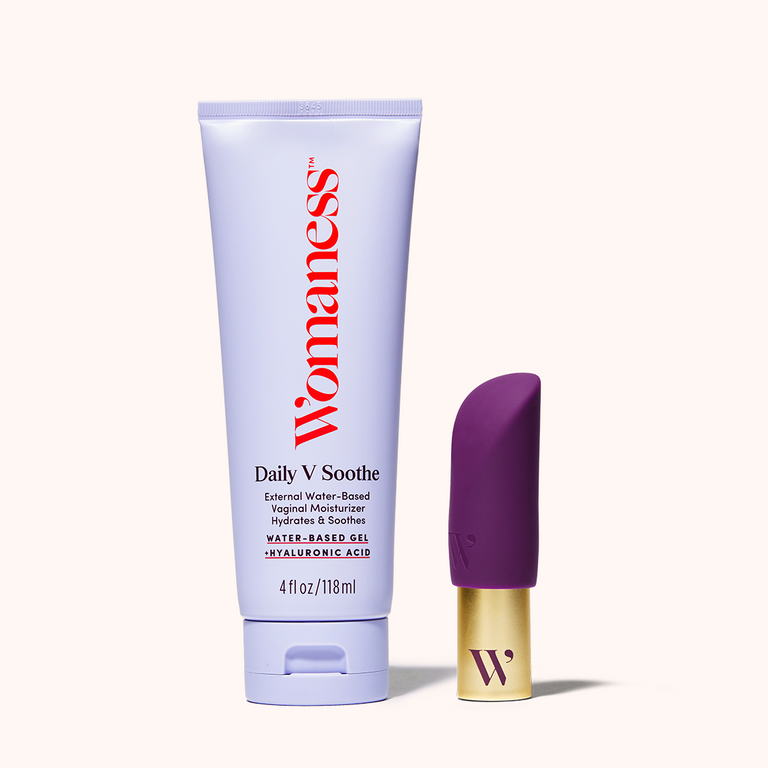
Lift Your Libido Kit
5. If sensation or orgasm starts feeling different during perimenopause, what is your top advice for getting it back?
This is where I tell women: your body changed, so your technique might have to change with it.
I’ve heard from so many women who say, “But this always worked before!” Exactly. Before.
Maybe now you need more warm-up, more pressure, a different position, more lubricant, a stronger vibrator, or simply more time. That doesn’t mean your body is failing you.
I call it updating your sexual owner’s manual. Instead of chasing the exact orgasm you had at 35, get curious about the body you have today. Experiment. And if there’s a noticeable or persistent loss of sensation or ability to orgasm, absolutely bring it up with a healthcare professional.
6. Let’s talk vaginal dryness or discomfort, which can sneak in in peri. What are your tips for dealing with it?
Here’s something I wish every woman knew before perimenopause: dryness can happen even when you’re turned on. So please don’t interpret a lack of lubrication as “I must not want my partner anymore.” Hormonal changes can affect vaginal and vulvar tissue regardless of how attracted or excited you feel.
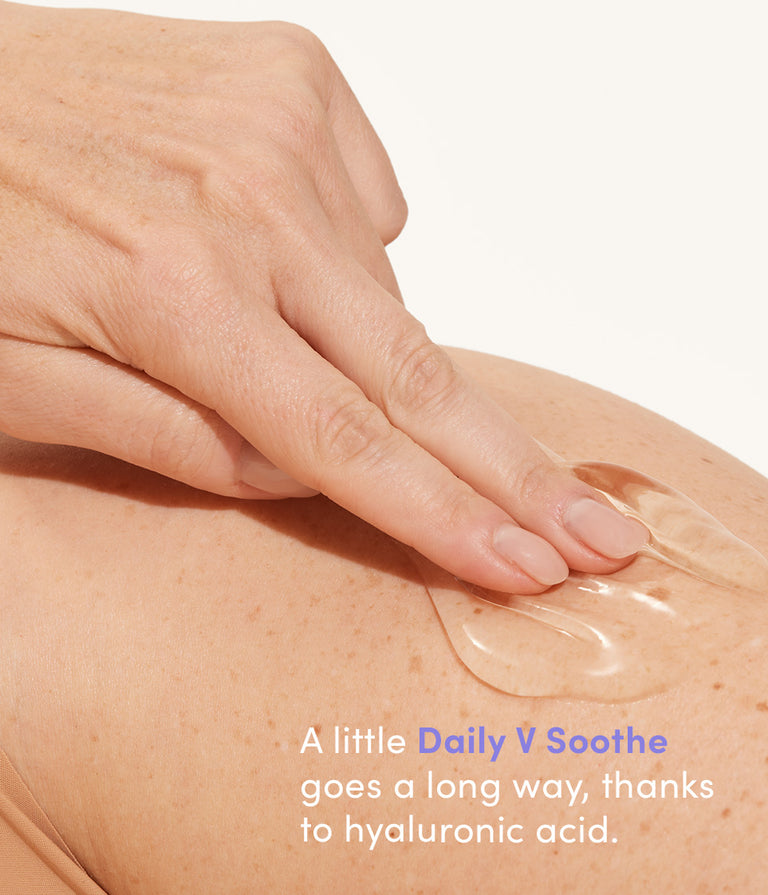
Use lube—and use more than you think you need! I also love making vulva care part of your regular routine. Womaness Daily V Soothe is a great option for moisturizing and soothing dry, sensitive skin. Add in some Melt for You for a 2-3 day a week, hormone-free solution to help with dryness from the inside out are some great products to work into your routine. And please, please don’t push through painful sex. If dryness, burning, irritation, urinary symptoms, or painful penetration continue, talk to a menopause-informed healthcare professional. There are treatments. Sex is supposed to feel good.

Melt For You
7. If a woman in perimenopause told you, “I do want to want sex again,” what are the first three things you’d tell her to do—and when should she bring the issue to a healthcare professional?
First, I’d say: stop grading yourself on how often you spontaneously want sex. That’s not the only measure of a healthy sex life.
Second, become a detective. What changed? Sleep? Stress? Hormones? Medication? Pain? Body image? Your relationship? Are you feeling connected to your partner—or are you resentful because you’re carrying the entire mental load and they’re wondering why you’re not in the mood?
Third, start with pleasure, not performance. Take intercourse and orgasm off the agenda for a minute. Touch yourself. Use a vibrator. Fantasize. Read or listen to something erotic. Ask yourself one of my favorite questions: “What turns me on now?”
And if your desire has changed significantly, it’s bothering you, or sex has become uncomfortable or painful, bring it to a healthcare professional. You don’t have to suffer through it or accept, “Well, this is what happens when you get older.” Sexual health is health—and you deserve support for it.
Get More Answers
Ask an OB/GYN: "Should I try HRT in perimenopause?"
What is vaginal skincare?
Ask a Doctor: "Why does sex hurt now?"