By Womaness Editors 7-Minute Read

Sometimes, store-bought skincare can feel tricky. And the good stuff can work for you. Nevertheless, there may feel like there's this promise that a dermatologist has the secret. Or maybe an Rx product would unlock what you have been looking for.
When you turn 40, those questions can really rev up. And perhaps it's time for something stronger. But what? Maybe you're noticing more fine lines, stubborn dark spots, unexpected breakouts, or dryness that no amount of moisturizer seems to fix.
If this sounds familiar, you're not alone.
During perimenopause and menopause, hormonal changes can affect everything from collagen production to hydration and skin sensitivity. And while great over-the-counter skincare can make a meaningful difference, sometimes your skin needs a little extra support.
That's where prescription skincare comes in. But is it actually better? Do you need a dermatologist? And is it worth the investment?
We're answering six of the most common questions about prescription skincare.
1. What's the difference between prescription skincare and over-the-counter skincare?
The biggest difference comes down to the ingredients, formulations, and whether a product requires medical supervision.
Over-the-counter (OTC) skincare includes products you can purchase without a prescription, like cleansers, moisturizers, serums, and retinol creams. Many contain effective ingredients such as hyaluronic acid, peptides, vitamin C, niacinamide, and retinol that help improve hydration, texture, and the appearance of aging skin.
Prescription skincare includes treatments that require authorization from a licensed healthcare provider. These products often contain active ingredients or concentrations that aren't available over the counter.
For example, retinol is commonly found in OTC skincare, while tretinoin is a prescription retinoid with extensive research supporting its ability to improve acne, fine lines, and sun-damaged skin.
The bottom line: OTC skincare is excellent for everyday skin health and maintenance. Prescription skincare offers additional treatment options for specific concerns that may need a more targeted approach.
2. Is prescription skincare actually more effective?
It can be! But more powerful doesn't automatically mean better for everyone.
Certain prescription ingredients have strong clinical evidence supporting their effectiveness for specific skin concerns.
Take tretinoin, for example. This prescription-strength retinoid helps increase skin cell turnover and stimulate collagen production, improving the appearance of fine lines, uneven texture, and sun damage over time.
Prescription treatments may be particularly helpful for:
• Fine lines and wrinkles: Certain prescription retinoids can improve visible signs of photoaging.
• Hyperpigmentation and dark spots: Prescription treatments may help fade stubborn discoloration and melasma.
• Adult acne: Prescription medications can address persistent breakouts, including some associated with hormonal changes.
• Uneven skin texture: Certain treatments can help improve roughness and promote a smoother-looking complexion.
However, stronger treatments can also cause more irritation, dryness, redness, or peeling.
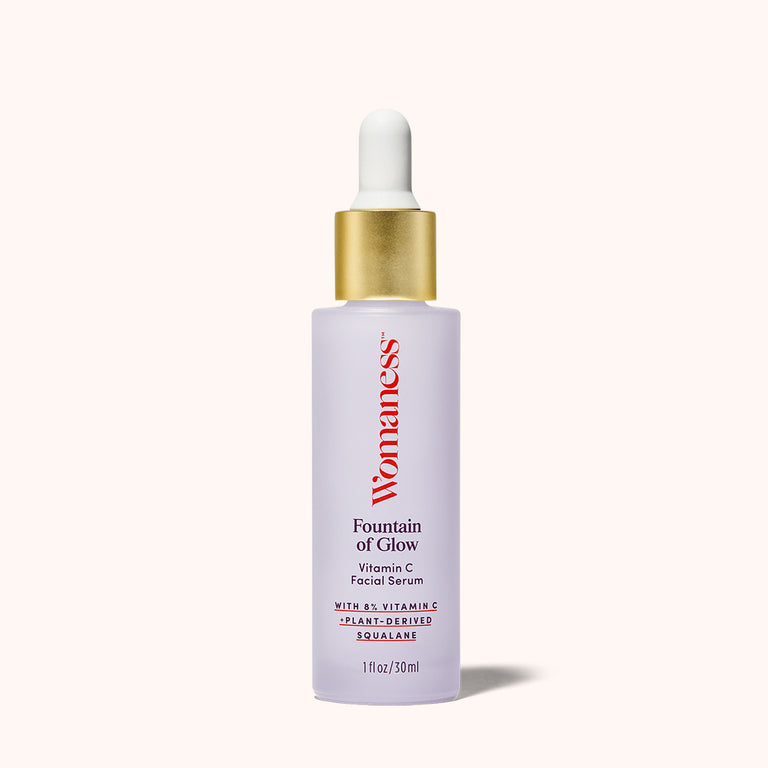
And don't underestimate your OTC favorites! Ingredients like hyaluronic acid, ceramides, and peptides still play an important role in keeping skin hydrated, comfortable, and healthy-looking. Womaness products like Overnight Magic and Fountain of Glow have high-quality ingredients, but are safer for skin that is easily irritated. While they might work slower or may not contain prescription strength, they may also help you avoid irritation.
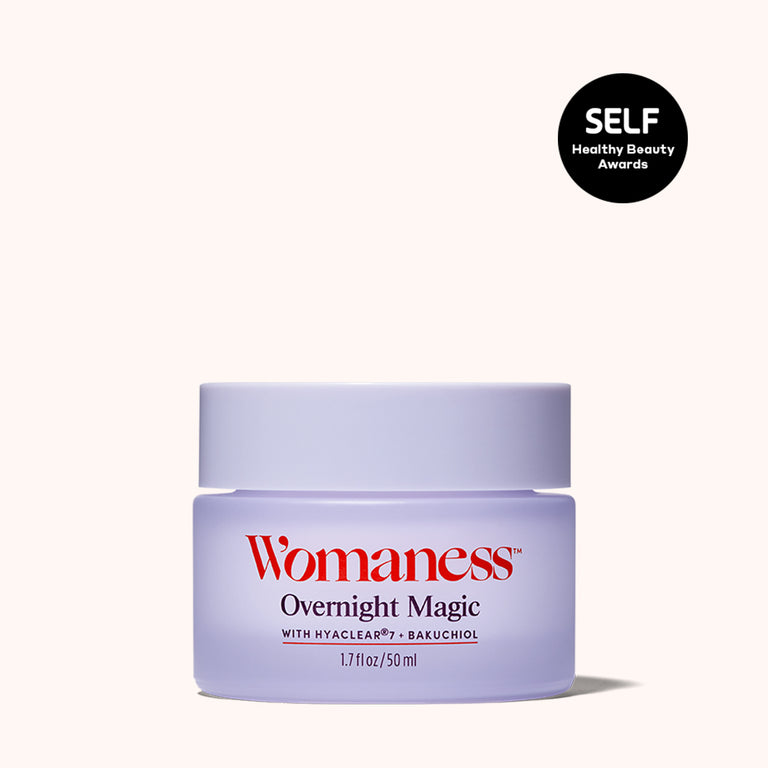
Overnight Magic
3. When should I consider switching to prescription skincare?
First, you don't necessarily need to switch. Often, it's about adding one targeted treatment to the routine you already love.
You might consider prescription skincare if:
• Your current products aren't delivering the results you're hoping for.
• You're noticing more pronounced fine lines, wrinkles, or sun damage.
• You're dealing with persistent adult acne or stubborn dark spots.
• Hormonal changes during perimenopause or menopause are creating new skin challenges.
• You want a more targeted, clinically studied treatment for a specific concern.
Why is this especially relevant during perimenopause and menopause? As estrogen levels decline, skin can become thinner, drier, and less elastic. Collagen loss and changes in moisture retention can make wrinkles and texture changes more noticeable.
For some women, prescription treatments may help address these concerns. For others, a consistent routine focused on hydration, barrier support, and sun protection may be exactly what's needed.
The key is understanding what your skin needs now, rather than continuing to use products simply because they worked ten years ago.
“The key is understanding what your skin needs now, rather than continuing to use products simply because they worked ten years ago.”
4. Do I need to see a dermatologist to get prescription skincare?
Not necessarily—and getting prescription skincare may be easier than you think.
While dermatologists specialize in diagnosing and treating skin conditions, other qualified licensed healthcare providers may also be able to prescribe skincare medications.
Today, telehealth services can make the process more convenient. Depending on your skin concerns, medical history, and location, you may be able to:
• Complete an online skin assessment.
• Consult with a licensed medical provider virtually.
• Receive a personalized treatment recommendation.
• Have an approved prescription delivered to your home.
Not every skin concern can—or should—be evaluated virtually. Suspicious moles, changing spots, or certain complex skin conditions may require an in-person examination.
But for many common concerns, including acne and some signs of photoaging, telehealth can offer a convenient way to explore treatment options.
5. Can I use prescription skincare alongside my regular skincare products?
Absolutely! In fact, the right combination can be a great approach. Prescription treatments don't have to replace your entire skincare routine. Many work best alongside gentle, hydrating products that help maintain your skin's moisture barrier.
For example, if you're using a prescription retinoid, your routine might look something like this:
Morning routine:
-
Gentle cleanser
-
Hydrating serum or moisturizer
-
Broad-spectrum sunscreen with SPF 30 or higher
-
-
Some great Womaness products to try: Clean Slate and Fountain of Glow
-
Evening routine:
-
Gentle cleanser
-
Prescription treatment, used as directed by your provider
-
Nourishing moisturizer to help minimize dryness
-
-
Some great Womaness products to try: Clean Slate, Overnight Magic, and Let’s Neck
-

Clean Slate
A few things to remember:
-
Start slowly. Some prescription ingredients need to be introduced gradually to minimize irritation.
-
Don't overdo the active ingredients. Combining prescription retinoids with exfoliating acids or other strong treatments can irritate skin.
-
Hydration is your friend. Moisturizers with ingredients like hyaluronic acid, glycerin, and ceramides can help support your skin barrier.
-
Never skip sunscreen. Daily sun protection is essential, especially when you're treating signs of sun damage.
And if your skin is already feeling more sensitive or dry due to peri/menopause, talk to your provider about how to introduce treatments gently.
One important note: Topical retinoids should be avoided during pregnancy and when planning pregnancy. Always review medications and skincare ingredients with your healthcare provider.
“From effective over-the-counter ingredients to prescription-strength treatments, there are many ways to support your skin as it changes.”
6. Is prescription skincare worth the cost?
It depends on your skin goals, your budget, and the results you're looking for. Prescription skincare can cost more than some OTC products, particularly when consultations, customized formulations, or ongoing treatment plans are involved. But price alone doesn't determine value.
If you've spent years experimenting with different products to address the same concern, a targeted prescription treatment may be a worthwhile investment.
Before deciding, consider:
-
Your primary concern: Are you treating something specific, like persistent acne, melasma, or visible sun damage?
-
Your current results: Are your existing products working, or have you reached a plateau?
-
Your budget: Does the treatment fit comfortably into your routine and finances?
-
Your commitment: Are you willing to use the treatment consistently? Many prescription skincare ingredients take weeks or months to deliver noticeable results.
It's also worth comparing treatment costs. Some generic prescription medications may be surprisingly affordable, while customized formulas and subscription services can cost more. Insurance coverage varies depending on the medication and whether it's prescribed for a medical or cosmetic concern.
Also, a little goes a long way with prescription skincare. You might not need as much to start to see results.
Our advice? You don't need an expensive ten-step routine to have great skin. A thoughtful combination of effective everyday products and targeted treatments, when appropriate, can go a long way.
And the good news is that you have more options than ever. From effective over-the-counter ingredients to prescription-strength treatments, there are many ways to support your skin as it changes.
At Womaness, we believe in finding solutions that work for your skin, your stage of life, and your goals. Whether that means sticking with your favorite skincare essentials, exploring prescription treatments, or combining the two, the most important thing is choosing a routine that helps you feel confident and comfortable in your skin. Because healthy, radiant skin doesn't have an age limit.
More For You
How to Rethink Skincare After 40
Why Your Old Face Cleanser Isn't Working Anymore
Ask an Esthetician: "Why Is SPF Extra Important for Menopausal Skin?"