By Womaness Editors 3-Minute Read

Welcome to ASK AN EXPERT, a series where we pose your real questions to our peri/menopause and aging experts for the answers you need. Have a question? Post it on The After Party, our private Facebook Group.
Let’s keep it real: Mention “pelvic floor therapy” in any conversation, and chances are it'll conjure up the image of someone post-childbirth, dutifully working on her Kegels. Because yes, postpartum recovery is absolutely one reason women see a pelvic floor physical therapist.
But it’s far from the only one.
Rebecca Chambers, PT, DPT, is a pelvic floor physical therapist who helps patients reduce pain, restore function, and get back to the activities they enjoy—whether they’re recovering from pregnancy and childbirth, or navigating pelvic discomfort or bladder and bowel concerns.
And the reasons women end up in pelvic floor therapy are broader than many realize: constipation, painful sex, prolapse, leakage, and even changes that can emerge during perimenopause, menopause, and beyond can all bring someone through the door.
In fact, Rebecca has treated patients ranging from 18 to their 90s.
“There is no wrong time to get pelvic floor therapy,” she says. “If you have a problem or concern, go get it checked out.”
So, what can pelvic floor therapy actually help with? And perhaps more importantly: What happens once you make the appointment?
Here’s what she wants women to know.
1. Pelvic floor therapy is definitely not just for new moms.
Pregnancy and childbirth may have helped bring pelvic floor physical therapy into the mainstream, but pelvic health spans your entire life. Rebecca has worked with patients dealing with everything from pelvic pain and urinary or fecal incontinence to constipation, prolapse, and sexual discomfort—and says there are many more reasons someone might find their way to pelvic PT.
The takeaway? If something involving your bladder, bowels, pelvis, or sexual comfort has changed, pelvic floor PT may be worth asking your healthcare provider about—even if you haven’t had a baby in decades. Or ever.

Melt For You
2. Painful sex deserves a conversation.
Of all the symptoms women may silently tolerate, there’s one Rebecca particularly wishes they would bring up: pain during sex, also known as dyspareunia.
“So many women have pain with sex and feel like it is taboo to talk about,” she says. “I always ask.”
There can be many reasons sex becomes uncomfortable or painful, and determining the cause matters. Rebecca points to pelvic-floor muscle issues, vaginal dryness, and hormone-related changes among the possibilities she encounters.
What Rebecca doesn’t want? Women assuming pain is simply something they just have to live with.
"Pain with sex is not acceptable," she explains.
This is especially important to know during perimenopause and menopause, when declining estrogen can be accompanied by vaginal dryness and tissue changes that may affect your comfort. A pelvic floor PT may be one member of the healthcare team who can help determine what’s contributing to your symptoms and what kind of support makes sense.
In other words: Sex hurting does not have to be inevitable as you age.
"Pain with sex is not acceptable."
3. So...what actually happens at an appointment?
This may be the part everyone really wants to know. (And no, you don’t necessarily walk into the office and just immediately take off your pants.)
A pelvic floor PT appointment usually starts with talking...a lot of it.
Rebecca begins with a detailed health history, asking about things such as pregnancy and childbirth, periods, menopause stage, diet, medications, surgeries, and previous medical conditions.
Then comes an assessment that may look more like traditional physical therapy than you expect. She looks at posture. How you walk. Your balance. Leg and core strength. She may examine or gently press on the abdomen.
And then, if the patient is comfortable with it, she may perform an internal vaginal or rectal exam depending on the issue being evaluated.
Afterward, she discusses what she found, often using pictures to help explain the anatomy, and works together with the patient to develop a treatment plan.
The important part: this isn’t something simply being done to you. Consent and conversation are part of the process.
4. Progress can start with one sneeze.
Ask how long pelvic floor therapy takes to work and Rebecca has an immediate response:
“To be honest, I hate this question.”
(OK, fair enough!)
There simply isn’t one universal timeline, she explains. The issue bringing someone to physical therapy, their medical history, the severity of their symptoms, and how their body responds can all affect treatment.
Rebecca generally aims for one appointment a week for eight to 10 weeks, although some people need fewer and others need more. And improvement doesn’t necessarily arrive as one dramatic, movie-montage transformation.
Sometimes it’s smaller—but extremely meaningful. Like, maybe you only needed two pads today instead of three. Or perhaps you sneezed and didn’t leak (miracle!).
They are minor victories, but they count.
“I want to see the tiniest bit of progress,” she says, ideally within the first couple of visits.

Daily V Soothe
5. Hormone changes can matter down there, too.
Your pelvic floor does not operate in a vacuum. Hormonal shifts throughout life can affect pelvic and vaginal comfort, too.
"[Hormones are] a big one," she says.
Rebecca sees how ever-changing hormones factor in across different stages—from monthly cycles to postpartum and breastfeeding to perimenopause and menopause.
In menopause in particular, lower estrogen levels can contribute to vaginal dryness and changes in vaginal tissue. That means a woman who develops discomfort, painful sex, chronic UTIs, or other pelvic-health concerns may need more than one kind of support.
Pelvic floor therapy may be one piece of that picture. Conversations with your gynecologist or other healthcare provider may be another.
And vaginal hydration can also come up. Rebecca says she asks patients experiencing hormonal changes about vaginal dryness and hydration and may recommend vaginal moisturizers or inserts when dryness is an issue.
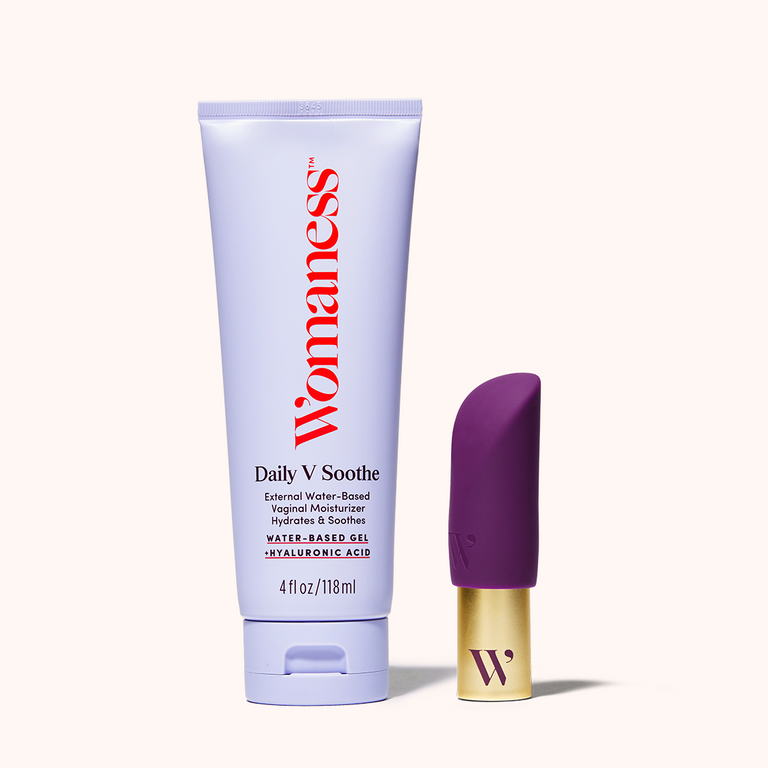
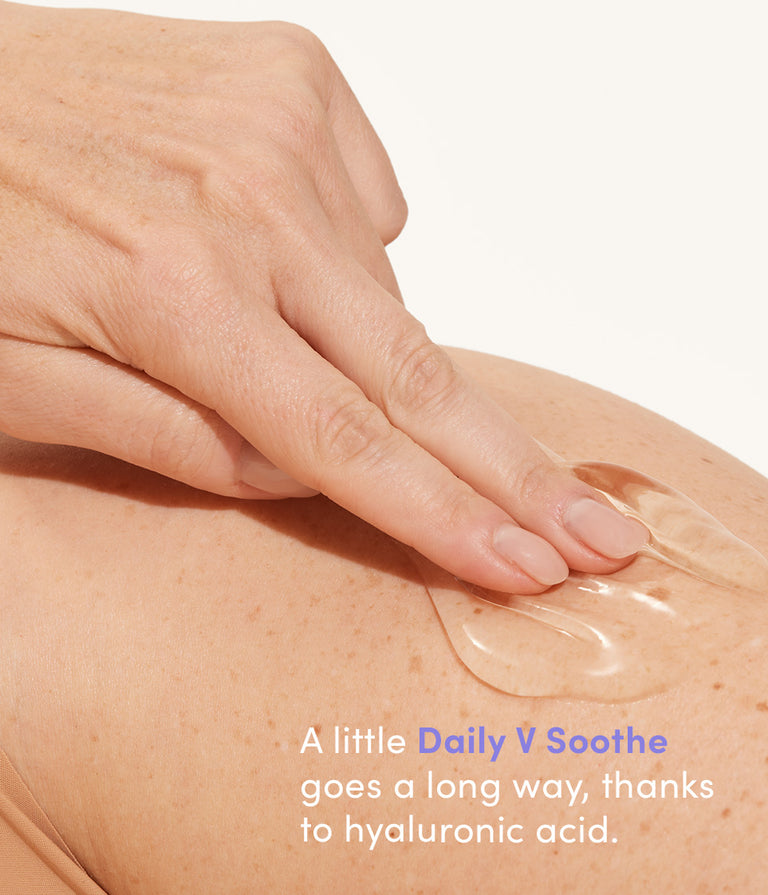
That’s also where products such as Womaness Daily V Soothe or Coco Bliss vaginal moisturizers, or Melt For You vaginal inserts can fit into a broader vaginal-care routine. They’re different formats for supporting vaginal hydration—not substitutes for pelvic floor therapy or medical evaluation when something hurts or doesn’t feel right.

And P.S. What about vibrators?
We’ve talked before about the surprising role vibrators can sometimes play in pelvic health. So naturally, we had to ask Rebecca what she thinks.
Her answer?
“Go for it!”
For some people experiencing pelvic pain, vibration may be something a pelvic floor therapist incorporates or discusses as part of an individualized approach to comfort.
And if you aren’t dealing with pelvic pain? Her professional assessment is considerably simpler:
Vibrators can also just be fun.
Caring for this part of your body doesn’t have to begin only when something goes wrong. Sometimes feeling good is reason enough.
Rebecca Chambers, PT, DPT, is a dedicated pelvic floor physical therapist committed to helping individuals restore function, reduce pain, and improve their quality of life through compassionate, evidence-based care. She has a doctorate in physical therapy from American International College and works at Massachusetts-based Harmeling Physical Therapy.
Get More Answers
What to Know About Pelvic Health
Ask a Pelvic Health Expert: "Kegels in menopause: How many (and how often)?"
Why UTIs Become More Common in Midlife